millriversteeple.com
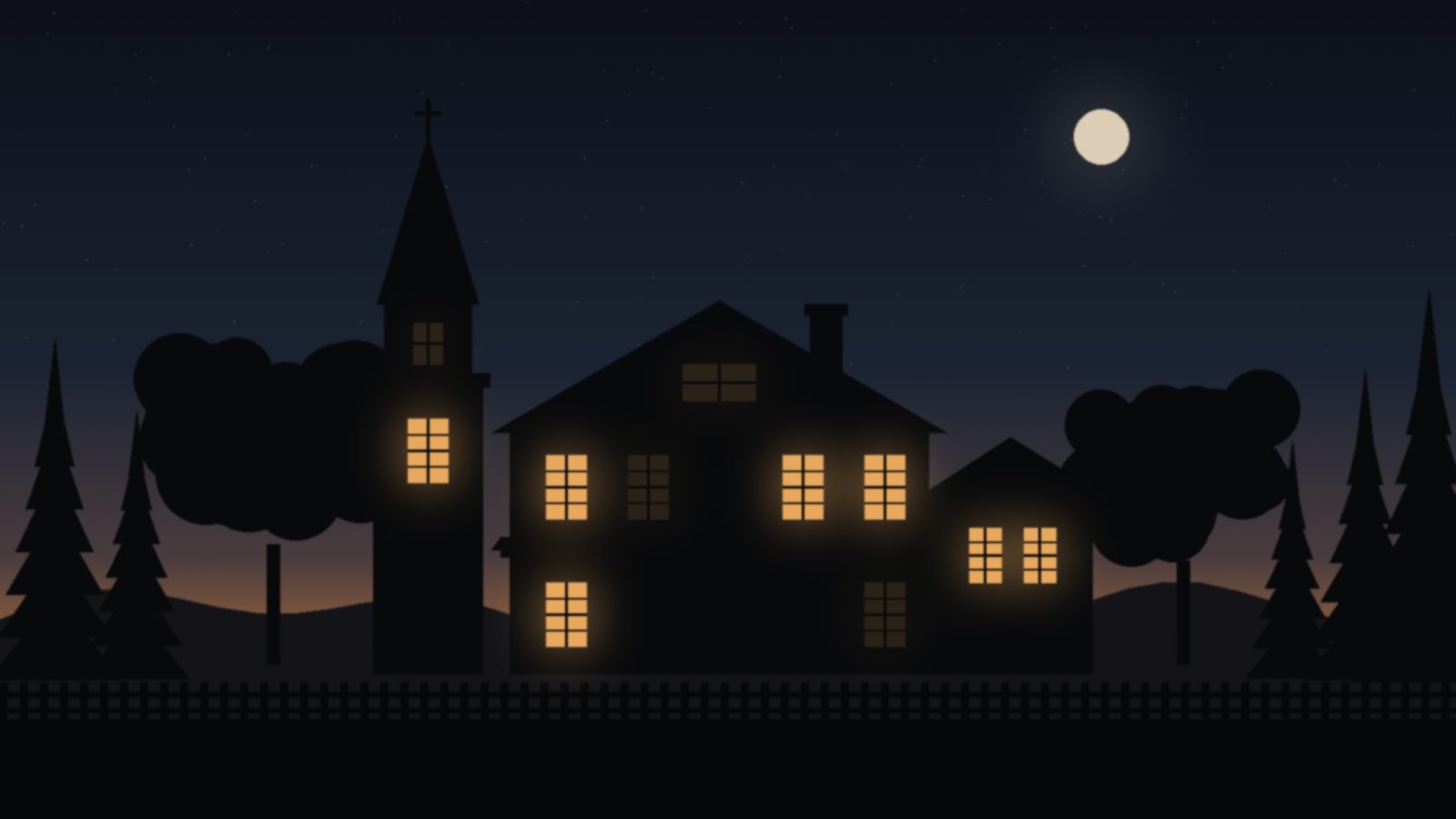
A nineteenth-century clapboard house with a slender steeple tower at dusk, its windows lit from within

Architectural heritage

Old houses keep their history in the walls

Building histories, restoration guidance, and careful notes on the craft of old houses, written for owners and for anyone who stops to look twice at a cornice.

Read the house histories

One house, six lives

How an old house changes over two centuries

  1. I 1784

    The frame is raised

    Hand-hewn oak sills and posts, pegged mortise-and-tenon joints, and a massive center chimney that heats every room.

  2. II 1836

    A Greek Revival face

    A new front with flat pilasters, a wider entry with sidelights, and six-over-six sash windows in wavy cylinder glass.

  3. III 1879

    Victorian additions

    A bay window, a porch with turned posts and sawn brackets, and a slate roof replacing the original cedar shingles.

  4. IV 1921

    Wires in old walls

    Knob-and-tube wiring and the first indoor plumbing are threaded through plaster and lath, room by room.

  5. V 1968

    The quiet decades

    Siding over clapboards, dropped ceilings, an enclosed porch. Most of the original fabric survives, hidden rather than lost.

  6. VI Today

    Reading and repair

    Layers are documented before anything is removed. Windows are reglazed, plaster is reattached, and the frame is left to speak.

From the archive

Latest stories

All stories
Property Spotlights

A Buyer’s Guide to Historic Farmhouses and Rural Estates

Старая ферма или усадьба — это не просто дом с характером. Это накопленный слой решений, материалов и компромиссов, которые принимались десятилетиями, а иногда и веками. Покупатель, который смотрит только на обаяние потрескавшейся штукатурки и вековых балок, рискует пропустить то, что действительно определяет судьбу такой собственности: скрытые инженерные системы, юридические обременения и график будущих ремонтов, не имеющий […]

Read more: A Buyer’s Guide to Historic Farmhouses and Rural Estates

Every old house is a document. Before you repair it, learn to read it, because the most valuable thing a restoration can keep is the evidence of how the house was made.

Eleanor Vance, editor of Mill River Steeple