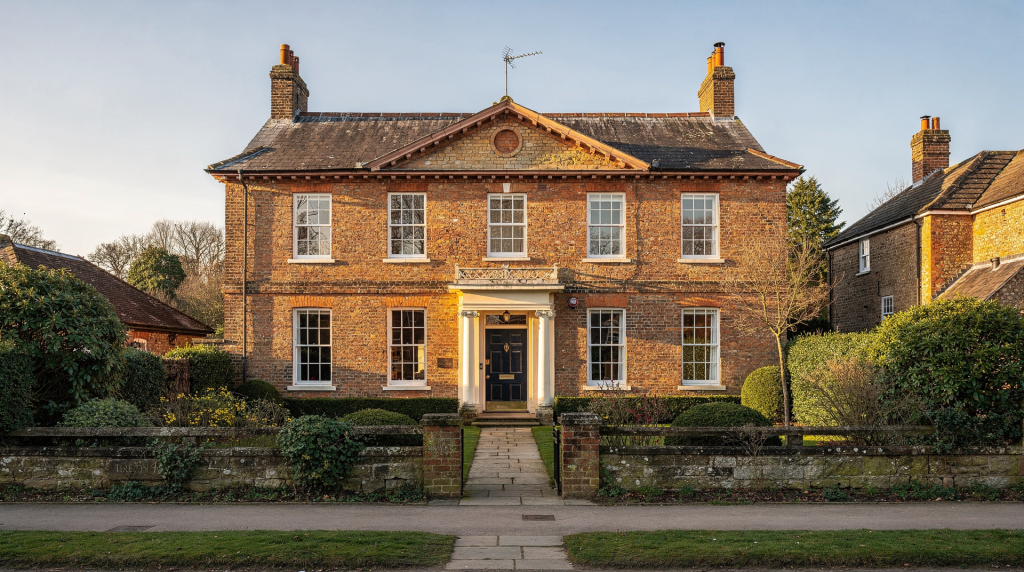
Buying a historic house is not the same as buying an older house with charm. It is a purchase of materials, maintenance, legal restrictions, and often a very specific kind of lifestyle. The right house can be deeply rewarding, but only if you understand what makes it historic, what you are allowed to change, and what it will likely cost to keep in good condition. In practice, a property is generally considered historically significant when it reaches at least fifty years of age and retains enough architectural integrity or cultural association to tell a coherent story about its time—though local preservation boards may draw that line differently, and some will apply designations to much younger structures if they represent a pivotal moment in community development.
What actually counts as a historic house?
A home may be considered historic because of its age, architecture, association with an important person or event, or location in a designated district. Some houses are individually listed on the National Register of Historic Places, while others are part of a locally designated historic district. The difference between these categories is not bureaucratic trivia—it determines who has authority over your future decisions and what kind of review, if any, stands between you and a new porch, a different roof material, or a repaired window sash.
That distinction matters.
- A National Register listing is often honorary at the federal level and does not automatically restrict private owners. I have walked through dozens of Register-listed houses where the owners painted, renovated, and even added sympathetic additions without ever consulting a federal office, because the listing itself imposes no such requirement.
- Local historic districts and local preservation ordinances can restrict exterior changes and sometimes certain interior details. These rules are enforced by a preservation board or architectural review commission, and they can be remarkably specific—down to the profile of a replacement window muntin or the sheen of exterior paint.
- A historic preservation board may need to approve work such as replacing windows, repainting the facade, adding square footage, or installing solar panels. I have seen a well-intentioned owner spend months redesigning a rear addition because the board found the proposed roofline incompatible with the streetscape.
If you are comparing listings, do not assume “historic” means the same thing everywhere. In one town it may be mostly a marketing label, a shorthand for “old and pretty” with no legal weight behind it. In another, it may come with strict review rules that govern everything visible from the public right-of-way. The label alone tells you nothing—you need the paperwork behind it.
The first thing to verify before you make an offer
Before falling in love with the trim or the staircase, verify three things. I have watched buyers skip this step and later discover they could not replace rotted clapboards without a public hearing. That kind of surprise is avoidable.
- Whether the house is individually designated or part of a district. An individual designation often means the structure itself is the resource; a district designation means the house contributes to a larger historic fabric, and alterations are judged partly by how they affect the streetscape as a whole.
- Whether a preservation easement is attached to the property. Easements are legal agreements, recorded with the deed, that permanently limit changes to protect historic character. They survive sales and bind future owners. I have read easements that prohibit altering interior floor plans, removing original mantels, or even changing hardware on interior doors.
- What local rules apply to future repairs and alterations. Some ordinances require a certificate of appropriateness for any exterior work beyond ordinary maintenance. Others exempt repairs that match existing materials exactly but trigger review the moment you propose a different material or color.
A preservation easement can permanently limit changes that would harm the property’s historic character, and future owners must follow it as well. If one exists, read it carefully and find out who holds it—a nonprofit preservation organization, a government agency, or a land trust. The easement holder has the right to inspect the property and enforce the terms, sometimes through legal action. This is not a detail to leave for later. Restrictions affect your renovation budget, your timeline, and your freedom to make changes.
What to inspect in an older or historic home
Older houses often bring age-related issues that are easy to miss during a casual showing. Common concerns include outdated electrical wiring, older plumbing, inefficient insulation, aging foundations, and possible lead paint or asbestos. But beyond that checklist, historic houses carry a deeper set of questions: how were the materials originally assembled, what has been altered since, and whether those alterations respected or undermined the building’s structural logic.
A standard home inspection is a start, but historic homes often benefit from an inspector who specializes in older properties. That kind of inspector is more likely to understand:
- How original materials behave over time—why lime mortar crumbles differently than modern cement, how old-growth timber framing responds to moisture cycles, and what efflorescence on brick actually indicates about drainage behind the wall.
- Which repairs are routine and which are warning signs. A cracked plaster ceiling may be seasonal movement; a bowed exterior wall with corresponding cracks at the corners is a different conversation entirely.
- Where previous “updates” may have created hidden problems. I recall an 1840s Greek Revival where a previous owner had sealed the original attic ventilation to install fiberglass batts, trapping moisture against the sheathing and starting a slow rot that was invisible from inside the house.
- How to judge whether a repair is compatible with the home’s age and construction. A specialist will notice when Portland cement parging has been applied over soft historic brick, trapping water and accelerating spalling.
Red flags that deserve extra attention
- Fresh paint covering damp areas—especially in basements, around chimneys, or on ceilings below bathrooms. Paint is cheap; correcting the moisture source rarely is.
- Sagging floors or doors that no longer close properly. These can indicate foundation settlement, deteriorating sill beams, or compromised joist ends where they enter masonry pockets.
- Uneven settlement or large foundation cracks. Diagonal cracks wider at the top than the bottom often point to differential settlement; horizontal cracks in foundation walls can signal lateral pressure from soil.
- Old knob-and-tube wiring or undersized electrical service. Knob-and-tube is not inherently dangerous if intact, but it was never designed for modern loads, and many insurers will not write a policy on a house that still has active knob-and-tube circuits.
- Mixed plumbing materials from several eras. Galvanized steel connected to copper without dielectric unions creates corrosion at the joints; a patchwork of materials usually means repairs were done piecemeal, and a full-system assessment is overdue.
- Vinyl or synthetic replacements that may have hidden damage underneath. Vinyl siding installed over original wood often conceals rot, insect damage, or missing flashing that the installer chose to cover rather than repair.
- Multiple layers of patching in plaster ceilings and walls. Repeated patches in the same area suggest a recurring problem—usually water—that has never been fully addressed.
Historic house buying checklist
Use this checklist before you commit. I have assembled it from the sequence of questions I ask on behalf of clients who are considering a historic purchase.
- Confirm the exact designation and boundary of the property. Is the entire parcel included, or just the primary structure? Outbuildings, later additions, and landscape features may or may not be covered.
- Ask whether the home is in a historic district. If it is, request the district’s design guidelines and the minutes from recent review board meetings—they reveal how the rules are actually interpreted.
- Request copies of any easements, covenants, or review board rules. Read them yourself; do not rely on a verbal summary from the listing agent.
- Order an inspection from someone experienced with older houses. Ask how many pre-1940 homes they inspect annually and whether they have training in historic building systems.
- Budget for specialized repairs, not just cosmetic updates. Matching historic window glass, reproducing custom millwork, or repointing with appropriate lime mortar all cost more than off-the-shelf alternatives.
- Check for lead paint risk in homes built before 1978. Federal disclosure rules require sellers to provide information, but the quality of that disclosure varies widely.
- Verify the condition of the roof, foundation, drainage, and structure. Pay particular attention to how water moves away from the building—poor drainage is the most common source of long-term damage I encounter.
- Ask which changes would require approval before you start work. Get specific: if you want to replace a rotted windowsill with a matching profile, does that count as ordinary maintenance or a reviewable alteration?
- Review local permit history for past additions and repairs. Permits can reveal whether that sunroom was built legally and whether the electrical panel upgrade was inspected.
- Estimate ongoing maintenance, not just the purchase price. A historic house demands a rhythm of care—gutters cleaned seasonally, wood trim painted on a predictable cycle, masonry joints monitored for deterioration.
How to budget realistically
Historic houses often cost more to maintain because repairs may require specialized materials and labor. That does not automatically make them bad investments, but it does mean your budget should include more than purchase price and closing costs. I advise clients to think in terms of a ten-year outlook: what systems are likely to need attention, and what will it cost to address them in a way that respects the building’s historic fabric?
Typical cost categories buyers underestimate
| Cost item | Why it matters |
|---|---|
| Structural repairs | Foundation, framing, roof, and drainage issues can be expensive to correct. A deteriorated sill beam, for instance, may require jacking a section of the house, cutting out rotted wood, and splicing in new material—work that demands both engineering and craftsmanship. |
| Systems upgrades | Electrical, plumbing, heating, and cooling may be obsolete or undersized. Rewiring a historic house often involves fishing wire through plaster walls without destroying them, a slower and more meticulous process than wiring new construction. |
| Preservation work | Matching original materials or profiles usually costs more than standard replacements. Custom-milled window stops, historically accurate mortar mixes, or hand-planed siding all carry a premium because the skills and materials are specialized. |
| Compliance costs | Review fees, permits, or design approvals can add time and expense. Some boards require architectural drawings prepared by a preservation professional, and the review process itself can stretch across multiple meetings. |
| Hidden damage | Past neglect often shows up after walls, floors, or ceilings are opened. I have seen a straightforward kitchen renovation turn into a structural project when the contractor discovered that a leaking sink had rotted the floor framing beneath. |
The smartest buyers keep a separate reserve fund for unknowns. A beautiful historic house with no repair reserve can become stressful fast. I recommend setting aside at least ten to fifteen percent of the purchase price as a dedicated maintenance and repair fund, accessible without borrowing.
Renovations: what you can usually do, and what may need approval
Not every historic house is locked down, but many are more regulated than typical homes. Exterior changes are the most commonly controlled, especially in local historic districts. The logic is straightforward: what is visible from the street shapes the historic character of the entire district, and preservation boards are charged with protecting that collective resource.
You may need approval for:
- Window replacement—and sometimes even repair, if the repair changes the appearance or material.
- Roof material changes. Switching from slate to asphalt shingles, or from wood shakes to metal, almost always triggers review.
- Exterior paint colors. Some districts maintain approved color palettes based on historical research; others review colors case by case.
- Porch alterations, including changes to railings, columns, or the porch roof profile.
- New additions, even when they are not visible from the street, because they alter the historic footprint.
- Solar panels. Placement, visibility, and the method of attachment all come under scrutiny.
- Demolition of original features, including interior features if the property is protected by an easement or specific local rules.
Some houses also have interior restrictions, especially when protected by easements or specific local rules. I have worked with easements that protect interior staircases, fireplace surrounds, floor plans, and even specific finishes. That is why it is essential to ask before you buy, not after.
A practical rule
If a change would visibly alter the house from the street, assume it may require review until you confirm otherwise. Even changes that seem minor—replacing a front door, altering the pattern of window muntins, adding a storm door—can fall under review in a tightly regulated district.
How to tell whether a historic house is worth the effort
A good historic house is not necessarily the prettiest one. It is the one where the underlying structure, materials, and legal context fit your plans. I have seen buyers fall hard for a house with exquisite original woodwork, only to realize they could not tolerate the restrictions that came with it. Others discovered that a plainer house with fewer constraints gave them exactly the balance of character and freedom they wanted.
Ask yourself:
- Do you want to restore, preserve, or modernize? Restoration means returning the house to a specific period; preservation means keeping what is there and slowing deterioration; modernization means updating systems and spaces for contemporary life. Each path has different costs and different relationships with review boards.
- Are you comfortable working within design rules? Some people find the clarity of guidelines reassuring; others find them stifling. Know which camp you fall into before you commit.
- Can you tolerate longer timelines for repairs? Specialty materials may need to be ordered, contractors who understand historic systems are not always available on short notice, and approval processes add weeks or months.
- Do you value original details enough to maintain them properly? Maintaining old-growth heart-pine floors or hand-blown window glass is a commitment of time and money. If you would rather replace than repair, a historic house may not be the right fit.
- Are you buying a home, or taking on a preservation project? The line between the two can blur, but it helps to be honest about your intentions from the start.
If you want a house you can freely remodel, a heavily regulated historic property may frustrate you. If you want character, craftsmanship, and a property with a clear architectural story, the same restrictions may feel manageable—even welcome, because they protect what drew you to the house in the first place.
What to ask the seller or agent
Before closing, ask these questions directly. A knowledgeable agent should be able to answer them clearly or help you get the documents. If the agent cannot or will not, that is itself a piece of information worth weighing.
- Is the property individually listed, locally designated, or part of a historic district? Get the exact designation and the date it was established.
- Are there any easements or deed restrictions? Ask for copies of the recorded documents, not summaries.
- What approvals are needed for exterior work? Request the specific ordinance or guideline document that governs the property.
- Have any alterations been done without permits? Sellers may not volunteer this, but asking directly sometimes surfaces useful information.
- Are original materials still intact, or have major elements been replaced? Original siding under later coverings, original windows, and original interior finishes all affect both value and future obligations.
- Has the house had prior foundation, roof, or water intrusion problems? Ask for repair records, not just recollections.
- Are there records of past restoration work? Documentation of previous work—especially if it involved a preservation consultant or architect—can be invaluable for understanding what was done and why.
Common mistakes buyers make
- Assuming “historic” means protected in the same way everywhere. The word carries no universal legal meaning; protections vary by jurisdiction, and some historic-looking houses have no protections at all.
- Skipping a specialist inspection. A general inspector may not recognize that a particular crack pattern is characteristic of a failing lintel, or that the “updated” wiring is actually old knob-and-tube with a few modern outlets spliced in.
- Underestimating repair costs because the house looks well kept. Fresh paint and staged furnishings can mask deferred maintenance that becomes apparent only after you move in.
- Buying before checking easements or district rules. I have seen buyers learn about a preservation easement at the closing table—far too late to factor its restrictions into their decision.
- Planning a modern renovation that conflicts with preservation rules. An open-concept floor plan, a wall of glass, or a second-story addition may be incompatible with the property’s historic designation, and discovering that after you have paid for architectural drawings is an expensive lesson.
- Ignoring the cost of ongoing maintenance. Historic materials require regular attention; a slate roof may last a century, but it needs periodic inspection and individual slate replacement, and those costs accumulate.
- Treating cosmetic charm as proof of structural health. A beautiful mantel does not guarantee a sound chimney; gleaming wood floors do not mean the joists beneath are solid.
The most expensive mistake is buying with your eyes only. Historic houses reward patience and research. The buyers I have seen succeed are the ones who approached the purchase as a kind of investigation, not just a transaction.
A simple buying process that works
Step 1: Define your goal
Decide whether you want a move-in-ready house, a light restoration project, or a major preservation challenge. Be specific about what you are willing to take on. A house that needs a new roof and foundation work is a different proposition from one that needs paint and updated light fixtures.
Step 2: Research the property
Check designation, district status, easements, and local rules. Visit the local preservation office in person if you can; the staff often know details about individual properties that do not appear in online databases. Read the design guidelines for the district, and look at recent board decisions to understand how the rules are applied in practice.
Step 3: Inspect thoroughly
Use an inspector who understands old houses and ask for special attention to structure, systems, and moisture issues. Walk through the house with the inspector if possible, and ask questions as you go. Pay particular attention to the basement or crawlspace, the attic, and any areas where additions meet the original structure—these are often where problems concentrate.
Step 4: Price the work
Estimate repair and compliance costs before you finalize your offer. Get preliminary quotes from contractors who have experience with historic buildings, not just general remodelers. Factor in the cost of any required approvals, architectural drawings, or specialized consultants.
Step 5: Plan for approvals
If changes are likely, learn the approval process early so your project does not stall. Find out how often the review board meets, what application materials are required, and how long the typical review takes. Build that timeline into your renovation schedule from the beginning.
Why historic houses are still worth considering
For the right buyer, a historic house offers more than character. It offers craftsmanship, scale, materials, and a sense of continuity that newer construction often lacks. The key is to buy with clear eyes. A house with history should come with a history check. When I walk through a well-maintained historic house, I see the decisions of its original builders—the way they oriented the house to capture light, the care they took in selecting and joining materials, the details they invested in even where no one would see them. That kind of intentionality is rare, and it is worth protecting. But it is only worth protecting if you understand what you are taking on. The buyers who find the deepest satisfaction in historic houses are the ones who approached the purchase not as a lifestyle choice but as a form of stewardship—one that begins with asking the right questions long before the closing.
FAQ
Are historic houses harder to insure?
They can be, especially if repairs require custom materials or the house has unusual construction details. Insurers may balk at knob-and-tube wiring, outdated heating systems, or roofs past their expected lifespan. It is wise to ask insurers early and explain the age, materials, and condition of the property. Some companies specialize in older homes and understand that a well-maintained historic house is not inherently riskier than a newer one.
Does National Register status stop me from renovating?
Not automatically. Restrictions usually come from local ordinances, district rules, or easements rather than the federal listing itself. A National Register listing is primarily an honorific designation that may open access to tax credits for certified rehabilitation work, but it does not, by itself, regulate what a private owner can do with the property.
Should I avoid a historic house with old wiring or plumbing?
Not necessarily, but those systems should be evaluated carefully and priced into your offer. Outdated systems are common in older homes and can require major upgrades. The question is not whether the systems are old, but whether they are safe, functional, and adequate for your needs—and what it will cost to bring them to that standard without damaging historic fabric in the process.
Can I replace old windows?
Maybe, but in a historic district or protected property, window changes often require review or approval. In some cases, repair is preferred over replacement, and many preservation boards will ask you to demonstrate that the existing windows are beyond repair before they approve replacements. When replacement is permitted, the new windows typically need to match the original material, profile, and divided-light pattern.
What is the safest way to start?
Verify the property’s status, review all restrictions, and hire an inspector who understands historic homes before you make an offer. That sequence—research, then inspection, then offer—gives you the information you need to negotiate from a position of knowledge rather than hope. The most expensive surprises in historic house buying are the ones you could have uncovered with a few days of due diligence before signing a contract.